Glow City: Why Nagasaki Has Quietly Become Japan's Most Illuminated Creative Destination
Photo: Basile Morin, CC BY-SA 4.0, via Wikimedia Commons
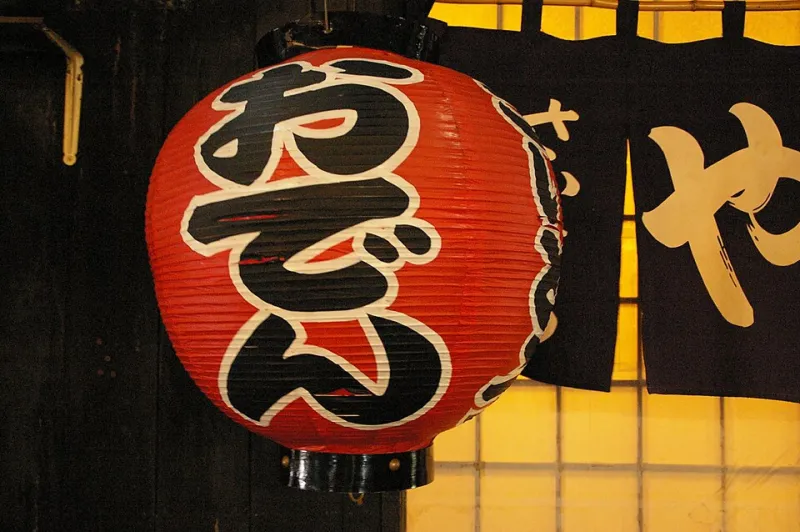
There's a moment, usually around dusk, when you're walking through Nagasaki's older neighborhoods and the light changes in a way that feels almost deliberate. Paper lanterns in shop windows, hand-painted and slightly uneven, cast warm amber pools onto stone paths. It's not Instagram-optimized. It's not a theme park. It's just what this city has always done — and it turns out, it's been doing it longer and more seriously than almost anywhere else in Japan.
Nagasaki's relationship with illuminated art isn't a trend. It's a inheritance.
Where the Tradition Comes From
Most Americans who know Nagasaki associate the city with history — the atomic bomb memorial, the Peace Park, the harbor. What rarely makes it into the travel brochures is the city's remarkably layered cultural DNA, shaped by centuries of contact with Chinese traders, Dutch merchants, and Portuguese missionaries. Each of those communities left behind craft traditions, and the Chinese community's contribution to lantern-making was particularly lasting.
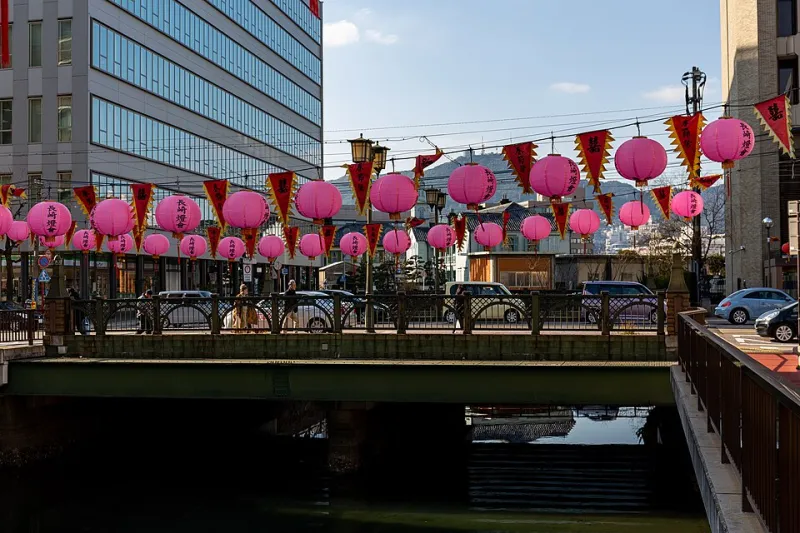
The Nagasaki Lantern Festival — known locally as Nagasaki Rantan Fesutibaru — draws somewhere between a million and a million and a half visitors each February, making it one of the largest lantern events in all of Japan. But the artisans behind it don't disappear when the festival ends. They work year-round, and their workshops are tucked into residential streets that most tourists never find.
Take the district near Teramachi, Nagasaki's "temple town," where a handful of multi-generational lantern studios still operate out of narrow buildings that smell like lacquer and dry paper. The work happening inside ranges from traditional red silk festival lanterns to experimental sculptural pieces that wouldn't look out of place in a contemporary gallery in Los Angeles or Chicago.
The Artisans Who Kept the Flame Alive
One of the more fascinating things about Nagasaki's lantern culture is how it survived — and transformed — through Japan's rapid industrialization. When mass-produced plastic lanterns started flooding the market in the 1970s and 80s, many regional craft traditions simply collapsed. Nagasaki's didn't, largely because local artisans made a deliberate choice to go upmarket rather than compete on price.
The shift toward bespoke, high-craft lantern work created a small but loyal clientele: temples, upscale hotels, cultural institutions, and eventually, galleries. It also attracted younger makers who saw lantern construction not as a dying trade but as a genuinely interesting medium — one that combined woodworking, textile knowledge, painting, and structural engineering into a single object.
Today, you'll find makers in Nagasaki working in materials that would have been unthinkable a generation ago. Recycled glass. Laser-cut aluminum frames. Resin panels embedded with dried botanical specimens. The forms are new, but the underlying philosophy — light as something worth crafting carefully, worth slowing down for — feels continuous with what came before.
Light Installations and the Global Art Conversation
Nagasaki's contemporary light art scene has been quietly building credibility on an international level, even if it hasn't gotten the press coverage of, say, teamLab's splashy digital installations in Tokyo. Several Nagasaki-based artists have shown work at European light festivals, including events in Amsterdam and Lyon, two cities that take illuminated art very seriously. The feedback loop has been interesting: exposure abroad has brought a small but growing stream of international artists to Nagasaki, drawn by the city's craft infrastructure and its willingness to experiment.
The Inasayama area, elevated above the city with panoramic harbor views, has become a particularly interesting backdrop for light-based work. The mountain's position means that installations up there interact with the city's ambient glow below in ways that flat urban sites simply can't replicate. A few temporary public art projects have already tested this terrain, and there's genuine local energy around making something more permanent happen.
For American travelers who've made the pilgrimage to places like the Benesse Art Site on Naoshima Island, Nagasaki's emerging light art scene offers something similar: serious creative work in an unexpected place, without the crowds that have started to overwhelm Japan's more famous art destinations.
Experiencing It Yourself
If you're planning a trip, timing matters but isn't everything. The February lantern festival is spectacular and worth building an itinerary around if you can manage it — the scale of the installations in Chinatown and Suwa Shrine is genuinely hard to describe. But visiting outside festival season has its own rewards. Workshop visits are more accessible, artisans have more time to talk, and the city feels less like a performance and more like itself.
A few practical notes for US visitors: some of the smaller studios do accept walk-in visitors, but calling ahead (or asking your hotel to call ahead) makes a real difference. Language is occasionally a barrier, but Nagasaki has a long history of cross-cultural exchange, and you'll find more English-friendly interactions here than you might expect. Several studios also offer hands-on workshops — usually a half-day commitment — where you can try your hand at basic lantern construction. It's the kind of experience that tends to stick with people.
There are also a growing number of curated evening walking tours that thread through the neighborhoods where lantern studios cluster, ending at spots with good views of the harbor at night. They're not flashy. They don't need to be.
Why This Matters Right Now
American interest in Japanese craft has been building steadily for years — ceramics, textiles, woodworking, knife-making. Lantern-making hasn't quite broken through to mainstream awareness yet, which is part of what makes this moment interesting. Nagasaki is still accessible in a way that some other Japanese craft destinations aren't anymore. The workshops are real, the prices are reasonable, and the artisans are genuinely engaged with visitors who show up curious and respectful.
Light has always been how Nagasaki tells its stories — grief, celebration, memory, renewal. The lantern makers here aren't just keeping a tradition alive. They're actively figuring out what it means, and what it can become. That's a conversation worth joining.