The Port That Taught Japan to Cook: Nagasaki's Culinary Scene Is Finally Getting Its Due
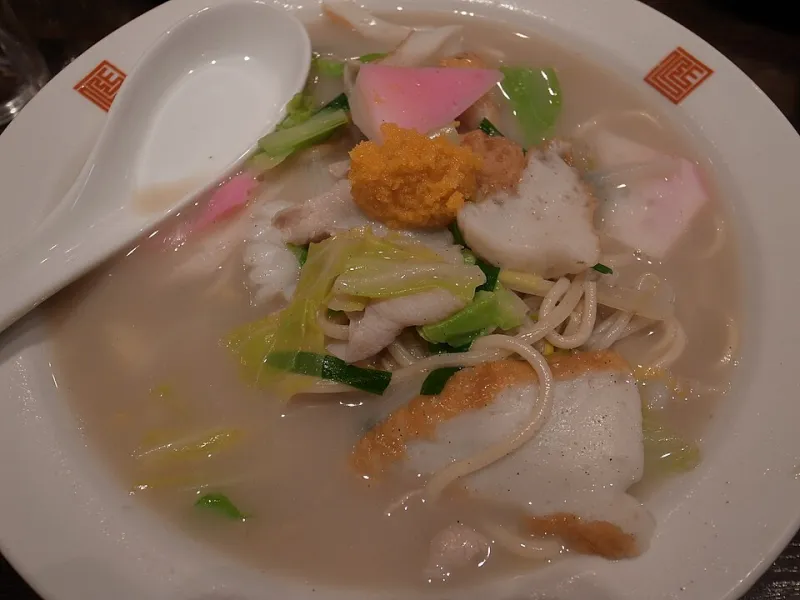
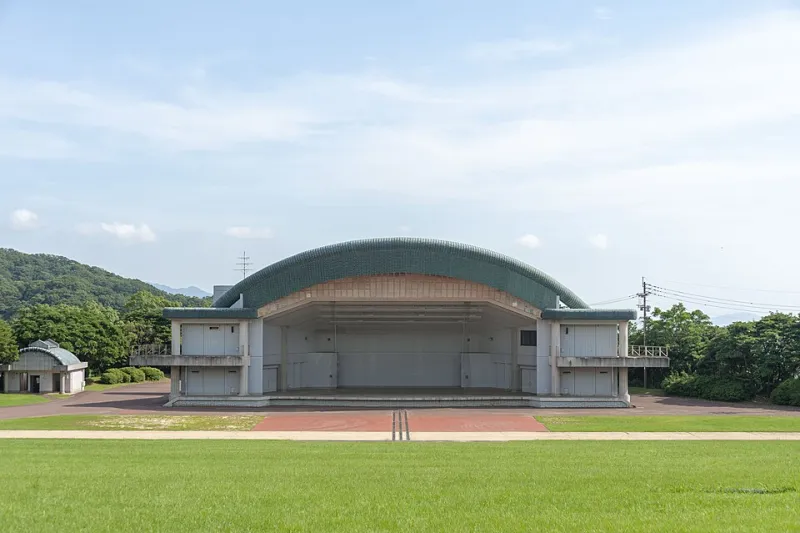
Photo: pelican from Tokyo, Japan, CC BY-SA 2.0, via Wikimedia Commons
Let's be honest: when most Americans think about Japanese food tourism, the mental image is pretty specific. A bowl of ramen with a six-minute egg. A counter omakase somewhere in Shinjuku. Maybe a matcha soft serve in Kyoto. The food is great — genuinely, no notes — but the itinerary has started to feel a little algorithmic.
Nagasaki is doing something different, and the food world is starting to notice.
This small harbor city in western Kyushu has one of the most unusual culinary identities in all of Japan, forged over centuries of contact with cultures that weren't supposed to be there. Chinese noodle makers, Dutch spice traders, Portuguese missionaries, and local fishermen all left fingerprints on Nagasaki's kitchen, and the result is a cuisine that feels genuinely unlike anything else in the country. Not fusion in the trendy sense — something older and more organic than that.
Why Nagasaki's Food History Is Unlike Anything Else in Japan
For most of the Edo period (roughly 1603 to 1868), Japan maintained strict isolationist policies. Foreign ships were turned away at nearly every port. Nagasaki was the exception — a single, tightly controlled opening through which outside goods and ideas could enter the country. Chinese and Dutch traders were permitted to operate in designated areas of the city, and inevitably, their cooking habits leaked into the local food culture.
The results are still on menus today. Champon, the city's most iconic dish, is a direct descendant of that Chinese influence: a thick, milky broth loaded with pork, seafood, and vegetables, served over chewy noodles. It's heartier than most Japanese noodle soups and noticeably different in texture and richness from ramen. The dish was reportedly created in the late 1800s by a Chinese restaurant owner trying to feed hungry students cheaply and well. It worked. Champon has been a Nagasaki staple ever since.
Then there's sara udon, a crispy fried noodle dish topped with the same champon-style toppings — a drier, crunchier cousin that locals debate passionately. And castella, the honey sponge cake introduced by Portuguese traders in the sixteenth century that has somehow become one of Japan's most beloved sweets. You'll find entire shops in Nagasaki dedicated to it, with boxes stacked floor to ceiling and variations flavored with green tea, brown sugar, and seasonal fruit.
The Chefs Paying Attention to Nagasaki
For a long time, Nagasaki's culinary scene was mostly a local secret — beloved by residents, overlooked by the food press that tends to orbit Tokyo and Osaka. That's shifting.
A new generation of chefs, some Nagasaki-born and some transplants drawn by the city's ingredient quality and lower overhead, are building restaurants that take the region's multicultural pantry seriously. At smaller kaiseki spots near the Inasayama hillside, chefs are incorporating ingredients like agodashi (flying fish broth, a Nagasaki specialty) into refined multi-course menus that would hold their own in any major city. Others are revisiting shippoku ryori — a Nagasaki-style banquet tradition that blends Chinese, Japanese, and Dutch-influenced dishes on a single table — and updating it for contemporary diners without stripping out its essential weirdness.
What these cooks share is a resistance to the idea that culinary legitimacy flows from Tokyo outward. Nagasaki's food culture, they'll tell you, didn't need to wait for the capital's approval. It was already doing something interesting centuries ago.
Street Food Worth Crossing an Ocean For
Not everything here is about refined dining. Nagasaki's street food scene is genuinely excellent and deeply underrated by international food media.
The kakigori — shaved ice desserts — found at stalls near the waterfront during summer push well past the syrup-drenched versions you might have seen at a state fair. Local shops layer housemade syrups, condensed milk, and seasonal fruit into towering constructions that are more dessert than refreshment. It's the kind of thing that makes you reconsider everything you thought you knew about shaved ice.
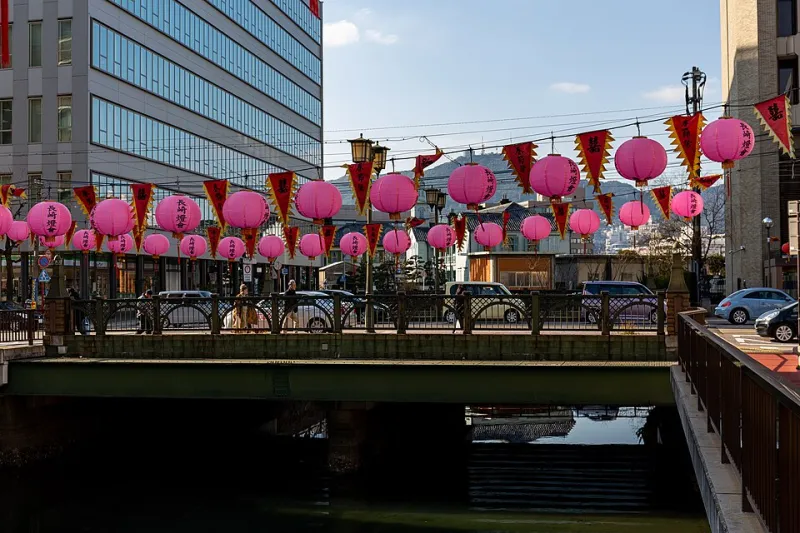
For savory options, look for the food stalls clustered around the Shinchi Chinatown area, where steamed pork buns (kakuni manju) are sold out of bamboo steamers and eaten standing up. The filling is slow-braised pork belly with a texture that's almost obscenely tender. It costs a few dollars and takes about forty-five seconds to eat and you will immediately want another one.
Food Tourism Without the Crowd Tax
Here's the practical case for Nagasaki as a food destination: you get a genuinely distinct culinary tradition, ingredients shaped by both mountain and sea, a growing roster of serious restaurants, and none of the reservation anxiety that comes with eating in Tokyo or Kyoto.
The city is small enough to walk between meals. The locals are, by general consensus, among the friendliest in Japan toward foreign visitors — a legacy, perhaps, of being a port city that has always had to figure out how to welcome strangers. And because Nagasaki isn't yet on the standard food-tourism circuit, you're far more likely to end up at a table next to actual residents than at a spot curated for the international food-blogger demographic.
That authenticity is harder to find than it used to be in Japan's more famous cities. Nagasaki still has it, and the chefs here are working hard to make sure it stays.
Come hungry. Leave with a box of castella. Come back soon.