Pour, Pause, Presence: What American Wellness Seekers Are Finding Inside Nagasaki's Tea Rooms
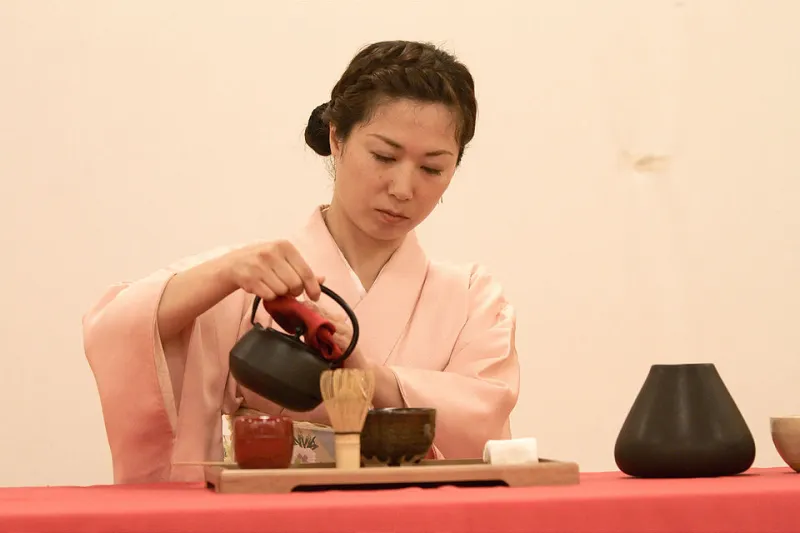
Photo: Georges Seguin (Okki), CC BY-SA 3.0, via Wikimedia Commons
There's a moment in a traditional Japanese tea ceremony — usually right after the host lifts the ladle and before they pour — where absolutely nothing happens. No music. No instruction. No ambient noise machine set to "forest stream." Just a person, a bowl, and the kind of quiet that most Americans haven't encountered since before they owned a smartphone.
For a lot of visitors, that pause is uncomfortable at first. Then it becomes something else entirely.
"I didn't know what to do with my face," laughs Dana Kowalski, a mindfulness coach from Portland, Oregon, who visited Nagasaki last spring and ended up attending three consecutive tea ceremonies during her stay. "I kept wanting to fill the space. And then slowly, I just... didn't."
That shift — from discomfort to surrender — is exactly what chanoyu masters in Nagasaki have been cultivating for centuries. And increasingly, it's drawing American wellness seekers who've already done the retreats, the apps, the cold plunges, and the sound baths, and are now looking for something that feels less like a product and more like a practice.
What Chanoyu Actually Is (And Isn't)
It's worth clearing something up before we go further. Tea ceremony, or chanoyu, is not a relaxation technique. It was never marketed as one. Rooted in Zen Buddhist philosophy and refined over hundreds of years, it's a highly codified ritual involving precise movements, specific tools, seasonal aesthetics, and a host-guest relationship built on mutual attentiveness.
Every gesture means something. The angle of the bowl. The direction of the whisk's movement. The placement of the tea scoop after use. None of it is arbitrary, and none of it is rushed.
"Chanoyu teaches you that the way you do one thing is the way you do everything," says Tanaka Yoshimi, a tea master based in Nagasaki's Urakami district who has been practicing for over 30 years. She began offering sessions to international visitors about six years ago, initially skeptical that non-Japanese guests would connect with the ceremony's subtler dimensions. She was wrong. "American visitors often feel it very deeply — maybe because the contrast with their daily life is so strong."
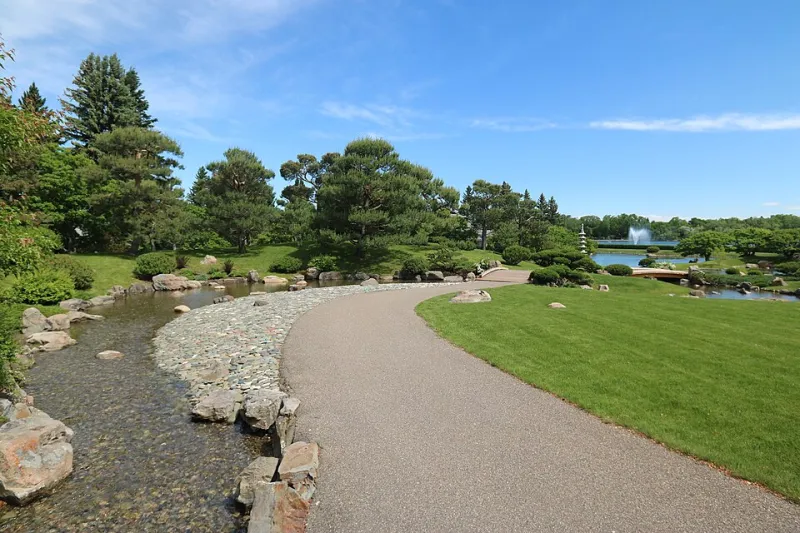
Tanaka-san's tea room sits at the edge of a traditional garden, about a 20-minute drive from the base of Inasayama. The room itself is small, spare, and deliberately imperfect in the way wabi-sabi aesthetics intend. A single hanging scroll. A ceramic vessel with a visible crack, repaired in gold. Nothing that shouts for your attention.
The Wellness Industry Has a Noise Problem
American wellness culture is, paradoxically, very loud. Podcasts about silence. Influencers demonstrating stillness. Apps that guide you through breathing with cheerful chimes and encouraging pop-ups. Even meditation, in its most commercialized forms, has become a kind of content.
Chanoyu offers something structurally different. There's no facilitator narrating your inner experience. There's no metric for how well you're doing. The ceremony doesn't care about your stress levels or your cortisol. It simply proceeds — deliberately, gracefully, at its own pace — and you either follow or you don't.
"I've tried a lot of things for anxiety," says Marcus Webb, a software engineer from Austin who made a solo trip to Nagasaki after burning out at work. "Most of them give you something to do with your anxiety. The tea ceremony kind of just asks you to sit with it until it stops being interesting."
That framing — anxiety as something that loses its grip when you stop negotiating with it — is pretty close to what certain contemplative traditions have argued for a long time. But hearing it described through the language of tea, of hospitality, of seasonal flowers and hand-thrown bowls, lands differently than a CBT worksheet.
Learning to Listen With Your Whole Body
One thing visitors frequently mention is how physical the experience is, even though almost nothing is happening physically. You notice the weight of the bowl in your hands. The warmth moving through the ceramic. The faint sound of water being ladled. The smell of matcha — grassy, slightly bitter — arriving before you've taken a sip.
Tanaka-san describes this as the ceremony doing its job. "We say that the host prepares the tea with the whole body, and the guest receives it with the whole body. You are not watching. You are participating, even in stillness."
For many Americans, this is the first time they've been asked to participate in something by doing less, not more. And the learning curve is real. Several visitors admitted to Inasayama Hikari that their first ceremony felt mostly like an exercise in not fidgeting. By the second or third session, something loosened.
"It's like your nervous system finally gets the memo," Dana Kowalski says. "Nobody's coming to rescue you from the quiet. And once you accept that, the quiet becomes — I don't know — friendly?"
Nagasaki's Particular Gift
It's not accidental that this kind of experience is finding its footing in Nagasaki specifically. The city carries a complex history — of openness and isolation, of destruction and resilience — that gives its quieter traditions a particular weight. There's a reason the light here feels different, and why artists and seekers keep returning.
Inasayama looms over all of it, a mountain that has watched Nagasaki change and change and change again. The tea masters who practice in its shadow seem to carry some of that long perspective. Time, in their rooms, moves differently.
Several practitioners in the area have begun collaborating informally with local wellness guides to offer chanoyu as part of longer immersive itineraries — combining the ceremony with forest walks on Inasayama's trails, visits to temple gardens, and evenings watching the city's famous illuminated harbor. The result is something that doesn't have a clean category yet, which might be exactly the point.
What You Take Home
Nobody who attends a tea ceremony in Nagasaki comes away with a technique to replicate at their kitchen table — not exactly. The tools are specialized, the setting is irreplaceable, and Tanaka-san is gently firm that the ceremony belongs to its context.
But something does travel. Marcus Webb says he now pauses before answering emails. Dana Kowalski has started making her morning coffee without her phone in the room. Small things. Unheroic things. The kind of things that don't make for a very compelling Instagram caption but quietly change the texture of a day.
"Chanoyu doesn't give you peace," Tanaka-san says, pouring a final bowl with the same unhurried care as the first. "It shows you that peace was already there, underneath everything you were adding to it."
She sets the bowl down. The room goes quiet. Nobody reaches for their phone.
Nagasaki tea ceremony experiences for international visitors can be arranged through several cultural centers in the city. Sessions typically run 60–90 minutes and require advance reservation. Inasayama Hikari recommends confirming availability and any language support options directly with individual practitioners.