Glowing From the Mountain Down: Meet the Artisans Keeping Nagasaki's Lantern Tradition Alive

Photo: Laitche, Public domain, via Wikimedia Commons
There's a moment, usually sometime around dusk, when the workshops along Inasayama's mid-slope trails start to glow from the inside. It's not dramatic — no neon, no floodlights. Just warm, amber light pressing through paper walls and spilling onto stone paths. If you happen to be walking by, you might stop. You might stare. And you might find yourself wondering how something so simple can feel so completely alive.
That's kind of the whole point.
The lantern-making tradition in this corner of Nagasaki is old — older than most American cities, older than a lot of countries. And for a while, it looked like it might quietly disappear. But something has shifted in the last decade or so, and the mountain's small but fiercely dedicated community of lantern artisans is at the center of a craft revival that's drawing serious attention from collectors, designers, and curious travelers from the US and beyond.
A Craft With Roots Deeper Than You'd Expect
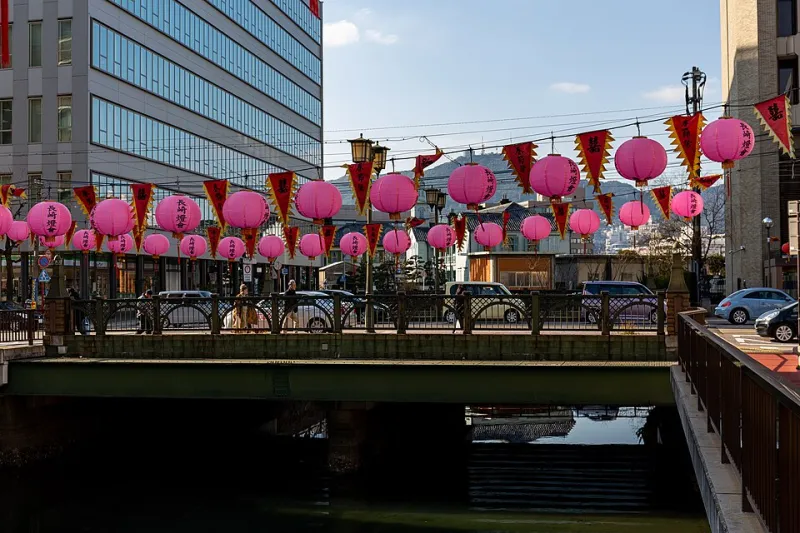
Nagasaki has always been a city shaped by exchange. For centuries it was Japan's only open port to the outside world, and that history shows up in unexpected places — including its lantern traditions. The style that developed in and around Inasayama isn't purely Chinese, isn't purely Japanese, and isn't purely anything else. It's a blend that happened naturally when techniques, materials, and aesthetic sensibilities from multiple cultures had nowhere else to go but into each other.
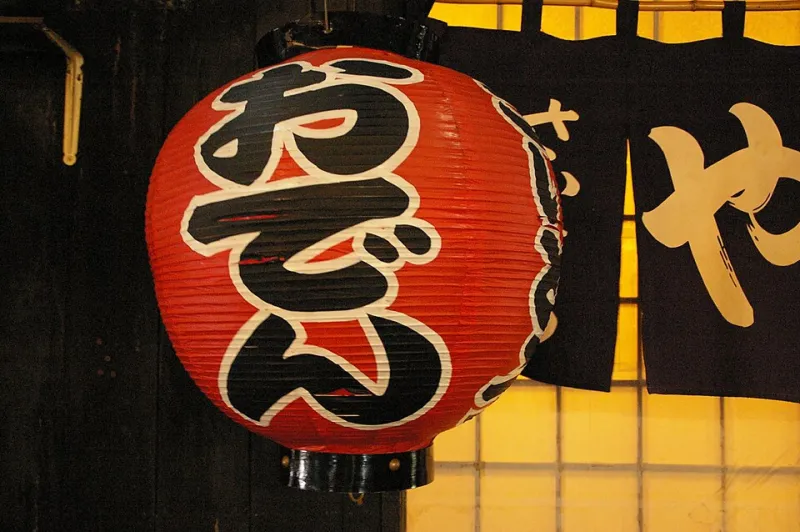
Local artisans will tell you this history matters. It's not just backstory — it's baked into the design logic of the lanterns themselves. The frames tend to be more architecturally complex than what you'd find in Kyoto or Tokyo, with joinery methods that reflect a kind of structural obsession. The paper selection is deliberate and often surprising, incorporating materials sourced from specific mountain plants that affect how light moves through the surface. Even the way a finished lantern is hung reflects a philosophy about how illumination should interact with a room or an outdoor space.
"We're not making decorations," one craftsperson based near the upper trail told us during a recent visit. "We're making the light itself. The lantern is just the part you can touch."
Why the Mountain Makes a Difference
It sounds like marketing, but the geography here genuinely matters to the craft. Inasayama's altitude and humidity create conditions that affect how paper cures, how bamboo splits and dries, and how certain natural dyes behave over time. Artisans who've tried to replicate their work in lower-elevation studios often describe subtle but frustrating differences in the finished pieces.
There's also something to be said for the creative ecosystem the mountain has developed. Because the community is small and somewhat isolated, knowledge gets shared differently here than it might in a larger urban craft center. Younger makers learn directly from older ones. Techniques that might have been lost get passed along in workshop conversations rather than through formal documentation. It's informal in a way that feels almost accidental, but the results speak for themselves.
The mountain also provides something less tangible: a pace. Working up here, away from the noise and speed of Nagasaki proper, seems to give artisans room to think slowly — and slow thinking, it turns out, is exactly what this kind of work demands.
American Collectors Are Paying Attention
For most of its history, Inasayama's lantern tradition was primarily a local affair — pieces made for festivals, for temples, for households that had been buying from the same family workshop for generations. That's still a big part of the business. But over the last several years, a different kind of customer has been showing up.
Interior designers based in New York, Los Angeles, and Seattle have been quietly sourcing pieces from Inasayama for high-end residential and hospitality projects. The appeal isn't hard to understand: in a design world saturated with mass-produced "artisanal" goods, something genuinely handmade — something with visible evidence of human decision-making in every joint and every fold — stands out hard.
Collectors are drawn in for slightly different reasons. The combination of historical depth, limited production, and the lanterns' dual identity as both functional objects and visual art makes them interesting acquisitions. A few pieces have started appearing at specialty auction houses, and prices have moved accordingly.
Waiting times for custom commissions from some of the more established Inasayama workshops now stretch to eighteen months or more. That's not a complaint from the artisans — it's a sign of something real happening.
Where Tradition Meets What's Next
What's interesting about the current moment in Inasayama's lantern scene is that the most compelling work isn't purely traditional. The craftspeople generating the most buzz — both locally and internationally — are the ones who've absorbed the old techniques deeply enough to start messing with them.
That might mean using contemporary materials alongside traditional ones, or designing forms that reference the classic Nagasaki aesthetic while pushing the silhouette somewhere new. One younger maker has been experimenting with layered paper densities that create gradient light effects — something that looks almost digital but is achieved entirely through analog means. Another has been incorporating metalwork into frames in ways that subtly reference the city's shipbuilding history.
None of this feels forced or gimmicky in person. It feels like what a living tradition actually looks like — one that respects where it came from while refusing to be frozen there.
How to Experience It Yourself
If you're planning a trip to Nagasaki and want to get close to this world, Inasayama is absolutely worth building into your itinerary. A few workshops welcome visitors, particularly during the quieter mid-week hours when the pace is more relaxed and artisans are more likely to have time for a conversation. Some offer short hands-on sessions — nothing that'll make you a lantern maker, but enough to understand what the work actually involves.
The mountain's evening atmosphere, especially when workshops are lit and active, is genuinely something. It's the kind of thing that's hard to describe without sounding like you're overselling it, so we'll just say: go at dusk, walk slowly, and give yourself time to stop and stare.
Because sometimes a light in a window is just a light in a window. And sometimes it's three hundred years of knowing exactly what you're doing.