After Sundown, Nagasaki Wakes Up: The Night Markets Pulling Old Neighborhoods Back From the Edge
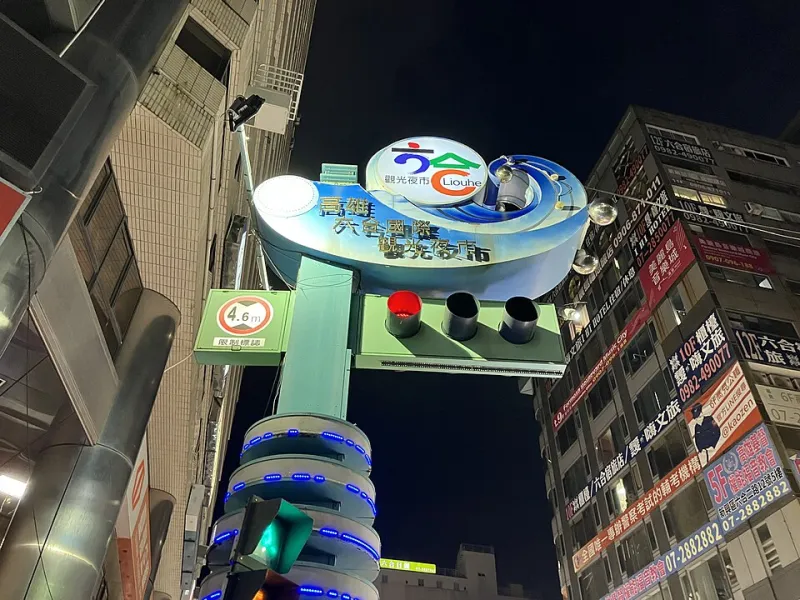
Photo: さえぼー, CC0, via Wikimedia Commons
There's a block in central Nagasaki that, five years ago, most locals would have told you was done. Storefronts shuttered. Foot traffic gone. The kind of quiet that doesn't feel peaceful — it feels like giving up. Today, that same block on a Friday night smells like grilled mackerel and roasted sweet potato, sounds like a three-piece jazz trio warming up in a converted sake warehouse, and looks like something you'd pin to a travel board and immediately start planning a trip around.
No major developer came in. No government megaproject. Just a handful of stubborn vendors, a few artists who couldn't afford rent anywhere else, and a city that decided maybe the night had something to offer after all.
What Tokyo Left Behind
Japan's economic spotlight tends to orbit the same familiar cities. Tokyo, Osaka, Kyoto — they pull investment, infrastructure, and talent like gravity. Smaller cities, Nagasaki included, have spent decades watching younger generations head north and east in search of opportunity. The result is a familiar pattern of urban hollowing: neighborhoods with good bones and no pulse.
But here's what that narrative misses. The very things that make a city like Nagasaki "smaller" — the lower overhead, the tighter community networks, the buildings that haven't been torn down and replaced yet — turn out to be surprisingly good raw material for a different kind of economic experiment. One that runs on lantern light instead of fluorescent.
Nagasaki's night markets didn't emerge from a city planning document. They grew the way most genuinely useful things grow: out of necessity, improvisation, and a few people willing to try something before they had permission to.
The Vendors Who Started It
Ask around the Hamano-machi corridor and you'll hear the same names come up. A retired shipyard worker who started selling his wife's handmade soba from a folding table. A twenty-something ceramicist who couldn't afford a gallery and started displaying her work under a string of paper lanterns outside her apartment. A Vietnamese-Japanese couple who'd been running a pop-up bánh mì stall on weekends long before the neighborhood had any foot traffic to speak of.
These weren't business plans. They were experiments in stubbornness. And slowly, one weekend at a time, they started drawing people.
What's interesting is the business model that emerged — or rather, the lack of a single model. Nagasaki's nocturnal economy is genuinely plural. Some vendors own their spots outright. Others rotate through shared stall spaces run cooperatively by neighborhood associations. A handful of the micro-galleries operate on a pay-what-you-feel basis, which sounds like a recipe for bankruptcy but has, in several documented cases, outperformed traditional gallery admission structures because it keeps the barrier to entry nonexistent and the community loyalty surprisingly high.
Light as Infrastructure
If you've spent any time with the content on this site, you know that Nagasaki has a complicated and beautiful relationship with light. From the lantern artisans of Inasayama to the illuminated harbor views that have been inspiring artists for centuries, the city thinks about glow differently than most places do.
That sensibility has filtered into how these night markets are designed — and "designed" might be too strong a word, because most of it happened organically. Vendors started hanging paper lanterns to mark their stalls. Artists began using low, warm lighting to make their micro-galleries feel intimate rather than institutional. The collective visual effect, especially on a clear night with the harbor visible in the background, is something that no marketing budget could have manufactured.
For American travelers who've done the Kyoto temple circuit and are looking for something that feels less curated, this matters. Nagasaki's night markets have the texture of something real. You can feel the improvisation in the best possible way.
Community Resilience as Economic Strategy
Here's the part that urban planners and economists are starting to pay attention to. What Nagasaki has stumbled into — or maybe intentionally cultivated, depending on who you ask — is a model of neighborhood revival that doesn't require displacing the people who already live there.
In most American cities, the story of a "revived" neighborhood follows a predictable arc: artists move in because it's cheap, the neighborhood gets cool, rents go up, the artists get pushed out, and a Sweetgreen opens. Nagasaki's version is running a different script, partly because the economic pressures are different and partly because the community networks are tight enough to resist that kind of displacement.
Neighborhood associations have been active participants in shaping how the markets grow, which means the vendors who started things tend to stay involved as the crowds increase. There's a collective ownership of the vibe that's unusual and, frankly, worth studying.
What Draws Americans Here
For US travelers, Nagasaki already carries a weight of history that most other Japanese cities don't. It's a place people come to with a certain gravity, and that's not wrong. But it can mean that visitors miss the living city entirely — the one that exists in the present tense, doing interesting things on a Friday night.
The night markets offer a different entry point. You don't need to speak Japanese to navigate a food stall, and the vendors who've been doing this long enough have developed a kind of wordless hospitality that communicates just fine across the language gap. You point, they nod, something delicious appears. The ceramicist with the lantern-lit display outside her apartment will let you stand there for twenty minutes looking without once making you feel like you need to buy something.
There's a wellness dimension here too, if you're willing to stretch the category a little. The pace of these markets — unhurried, sensory, low-stakes — has a genuinely restorative quality that's hard to find in more tourist-optimized environments. You end up present in a way that's harder to achieve when everything around you is designed to be photographed.
The Blocks That Came Back
The Hamano-machi stretch isn't the only neighborhood that's seen this kind of shift. Similar patterns are emerging near the Teramachi temple district, where a cluster of late-night tea vendors and small-batch pottery sellers have started drawing a younger crowd on weekend evenings. Up toward the slopes of Inasayama, a few of the older residential blocks have seen residents open their front gates on market nights, effectively extending the market into the neighborhood itself.
None of this is finished. These are works in progress, which is part of what makes them interesting to watch. The city hasn't fully figured out how to support what's happening without over-managing it, and the vendors haven't fully figured out how to scale without losing the thing that made people show up in the first place.
But for now, on a Friday night, those blocks are alive. The lanterns are lit. The soba is hot. And a city that was supposed to be fading is doing something that looks a lot more like glowing.