What the Camera Doesn't Capture: Inside Nagasaki's Photography Circle That Shoots the Invisible
There's a moment, if you spend enough time with the photographers of Kūhaku Collective, when you stop looking for something to photograph. Your eyes soften. The urge to frame and capture loosens its grip. And then—if you're lucky—you start to notice what's actually in front of you.
That moment, collective member Tomoko Shiraki will tell you, is the whole point.
"Most people come here holding their camera like a weapon," she says, laughing quietly. "Ready to shoot. Ready to post. We ask them to just... wait."
Kūhaku—the Japanese word for blank space, or emptiness—is a loose-knit photography group that gathers regularly in the hills and harbor-facing streets surrounding Inasayama. They have no Instagram account. No hashtag. No submission portal or waiting list. Word of their sessions spreads mostly through conversation, and occasionally through a handwritten flyer pinned inside one of Nagasaki's older kissaten coffee shops. Their philosophy is as simple as it is countercultural: photograph what isn't there.
A Practice Built on Absence
The idea of negative space in visual art isn't new. Graphic designers and painters have worked with it for centuries. But Kūhaku's approach extends the concept beyond composition and into something closer to meditation. Their shoots—they call them ma sessions, borrowing the Japanese concept of meaningful pause—are conducted in near-total silence. Phones go face-down. No one reviews their shots mid-session. Feedback, if it comes at all, happens days later, in person, over tea.
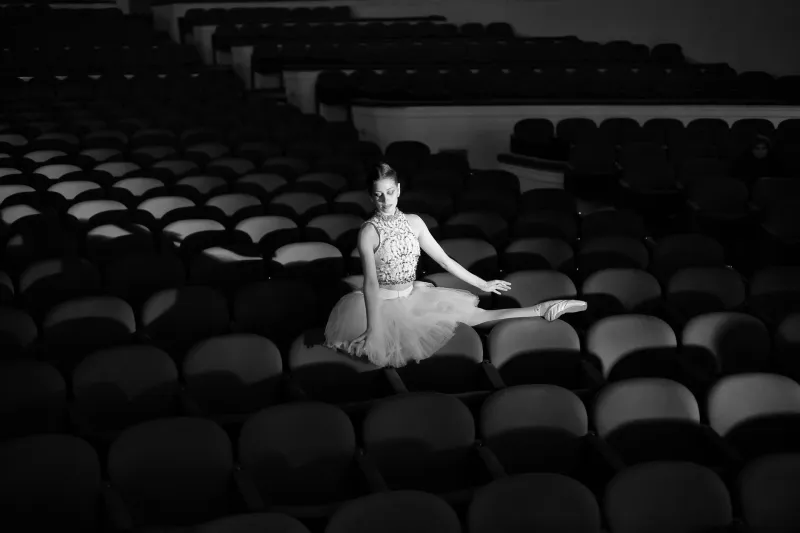
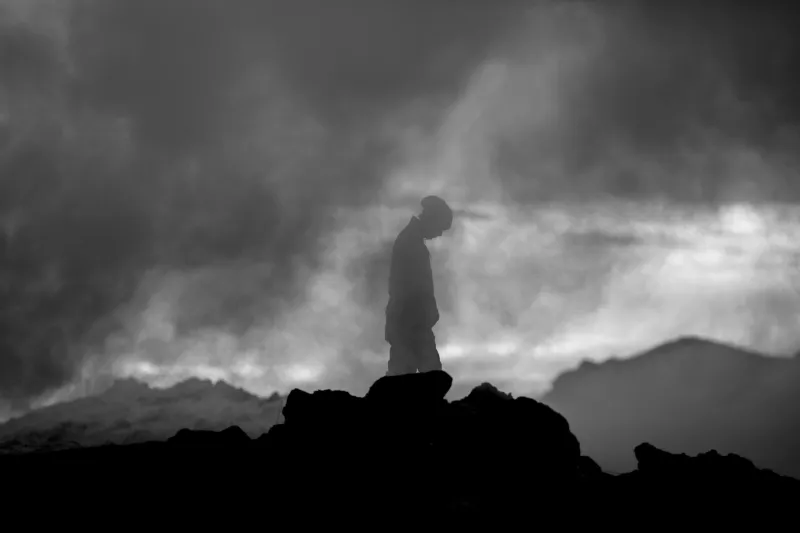
What they're documenting, Shiraki explains, is the impression left by something that was once present, or the anticipation of something that hasn't arrived yet. An empty chair on a hillside temple path. The outline of a lantern against fog. The space between two people standing at a harbor railing, not quite touching.
"The gap is where the feeling lives," says collective co-founder Daisuke Maeno, a former commercial photographer who left a busy Tokyo studio eight years ago and moved to Nagasaki partly, he admits, because he was exhausted. "In commercial work, every frame has to be full. Busy. Justified. I forgot how to see the quiet parts."
His transition to this quieter practice wasn't immediate. It took months of walking Inasayama's slopes before he started photographing differently—and longer still before he stopped checking his phone between shots.
Why Americans Are Showing Up
Over the past few years, Kūhaku has started drawing visitors from the United States—not in large numbers, but with a consistency that's caught the collective's attention. They tend to arrive the same way: creatively depleted, socially overstimulated, and quietly desperate for something that doesn't require a caption.
Many are photographers themselves, some professional, some hobbyist. What they share, almost universally, is a complicated relationship with social media and the feedback loops it creates. The pressure to post quickly, to generate engagement, to have a "visual identity"—it's worn them down in ways that are hard to articulate until you're sitting on a stone step in Nagasaki, camera in your lap, not posting anything, and feeling inexplicably relieved.
"I came here for a travel shoot," says Marcus, a Portland-based commercial photographer who attended two ma sessions last spring. "I left with maybe forty photos over three days. Back home, I'd shoot forty photos before lunch. But those forty—I actually remember taking every single one."
That quality of remembering is something Kūhaku members talk about a lot. When you're not rushing to the next frame, or mentally composing your caption before the shutter clicks, the act of taking a photograph becomes genuinely present-tense. You're not documenting for an audience. You're just... seeing.
The Inasayama Effect
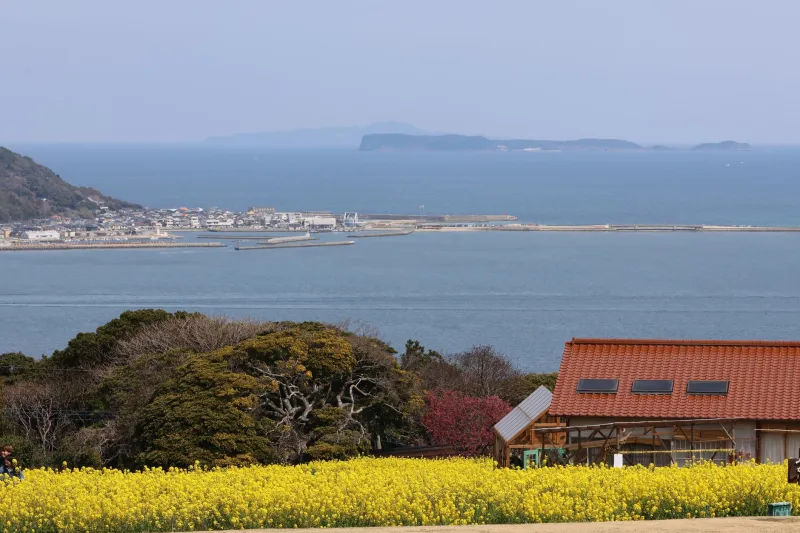
It helps that the environment lends itself to this kind of attention. Inasayama's famous nighttime panorama is well-documented, but the mountain's daytime character is quieter and stranger—a layered landscape of old shrine paths, weathered stone, and harbor light that shifts constantly depending on cloud cover and season. There's a particular quality of diffused afternoon glow that longtime Nagasaki residents describe almost mystically, as if the light itself has a memory.
For photographers trained to chase the golden hour and move on, sitting inside that light for an extended period—without shooting, just observing—can be genuinely disorienting. Kūhaku encourages it. Some sessions begin with thirty minutes of walking without cameras at all.
"We want people to look before they look through a lens," Maeno says. "The camera should be the last thing you pick up, not the first."
This runs so contrary to how most contemporary photography is practiced—especially travel photography, where the instinct to document can override the experience of being somewhere—that participants often describe the first session as uncomfortable before it becomes freeing.
No Likes, No Algorithm, No Problem
What makes Kūhaku genuinely unusual isn't just their philosophy. It's their total indifference to visibility. In an era when even niche art practices come with a content strategy, the collective's refusal to build an online presence feels almost radical.
Shiraki is unbothered by this. "If someone finds us, they find us," she says. "If the practice is right for them, they'll come back. We don't need to convince anyone."
The images that come out of ma sessions don't circulate widely. Some participants keep them entirely private. Others share them months later, long after the urgency to post has faded. A few have described the delay as transformative in itself—discovering that a photograph can exist without an audience and still mean something.
For American creatives who've built careers or identities around social media output, that's not a small thing. It's a fundamental reorientation of why they make images at all.
Finding Your Way In
Kūhaku doesn't advertise sessions publicly, but if you're spending time in Nagasaki and you're curious, asking at smaller, independently-run coffee shops or art supply stores in the older neighborhoods isn't a bad place to start. The collective occasionally collaborates with local guesthouses that cater to creative travelers, and word tends to travel through those networks.
If you do find your way into a ma session, come without expectations about what you'll shoot—or whether you'll shoot at all. Bring a camera you're comfortable with, but don't treat it as your primary tool for the day. Treat it as punctuation.
The sentence, Kūhaku would argue, is the silence around it.
And somewhere on the slopes of Inasayama, in the particular quality of light that Nagasaki seems to generate from its harbor and its hills and its long, layered history, that silence has a way of saying quite a lot.